ABC FIELD TRIP ANNOUNCEMENT – Banding at Morse Preserve

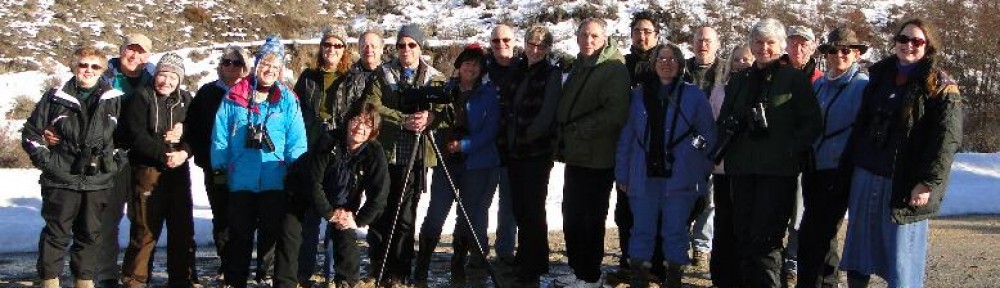
ABC advanced birders are invited to observe bird banding at the Morse Preserve in Graham on two days: July 4 and July 14, 6 AM to 11 AM. Banders are Jerry Broadus and Clarice Clark.

Directions to and info about the preserve are on the Tahoma Audubon website at: http://www.tahomaaudubon.org/Default.aspx?pageId=122327

or here: 25415 70th Ave E., Graham, WA. From I-5 take Exit 127 on to WA 512 East

From WA-512 East take the Pacific Ave/WA 7 Exit. Turn right (south) onto Pacific Ave/WA 7. At the Roy “Y”, bear left, staying on WA 7. Turn Left at 224th St E (at the Fred Meyer) Turn Right onto 70th Ave E (at the light) Property is on the left at the 25415 mailbox

This is a special invitation to Tahoma Audubon/Forterra Conservancy preserve which you can normally visit only on Open Trails days, 2nd Sundays of each month, or for special events.

June 2012 Meeting report

Our meeting on June 28 was pretty exciting and threatened to go overtime again! Ed and Kay Pullen reported on the field trip to central Washington, Kay Schimke reported on the spring Swifts at JBLM, Jerry Broadus reported on the interesting Bird Banders/OFO meeting in Oregon, and Clarice Clark invited us all to watch them band at the Morse Preserve in Graham on July 4 and July 14 from 6 to 11 AM! See separate announcement on this website. Ken Brown also got us thinking about more field trips and programs.

Then we had member slides including quiz birds (thanks, Melissa, Wayne, Diane, et al) and photos by John Riegsecker, Laurel Parshall, Heather Roskelley, Ed Pullen, Shep Thorp. We ran out of time and will be presenting further photos next meeting from Asta Tobiassen, Pat Damron, Melissa Sherwood, Wayne Sladek, me, and others. Thanks to Ryan Weiss for handling the photo presentation!

Next meeting July 26 featuring the inventor of LarkWire (bird audio)!

Diane Y-Q

Flycatcher Study Trip: Not today

A small contingent of ABC birders went out to study flycatchers Saturday, and the rain, cold and wind kept the birds in that family largely out of sight and earshot, but we had a good time trying and found some other good birds along the way.  Meeting at Snoqualmie summit Vera and Jack, Mark and Kelly, and Ed and Kay started by the ski slope looking, listening and trying to keep warm.  A Lincoln’s sparrow gave a fleeting glimpse, and it took us a while to figure out that the out-of-place birds that sounded like Spotted Sandpipers were in fact 4 Spotted sandpipers in the wet and snow by the tow station.

The Hyak hummingbird-house had only a few hummers out early, and we tried in vain to confirm that what sounded like a Gray Catbird was one, left as an out-of-place maybe. Gold Creek was cold too, but yielded a dipper that Vera saw after the rest of us took cover in the trees.  Great views of several Townsend’s warblers along with a fly-by of a Hermit thrush who helped us all remember their “chuck” call after hiding was fun.  Still to this point not a flycatcher heard or seen.

We decided to flee the high ground in hopes that the east-slope would be warmer, drier and less windy.  It was drier, windier and if it was warmer then not much.  At the road off Exit 62 to Stampede Pass we listened for the expected Hammond’s flycatchers, but the wind and cold kept it quiet.  We did see our first flycatcher, Western Wood-Pewee, and several  Warbling Vireos gave us a show along with lots of Western Tanagers.

We were surprised to see the area in front of the parking lot at Lake Easton Campground was clearcut, and a big parcel of trees taped to be cut near the lake.  It was pretty quiet there too, and so we dropped down to check out Bullfrog Pond at Salmon-le-sac.  It was pretty there, we had enjoyable looks at Cedar Waxwings, Rufous Hummingbirds among others as a Veery sang constantly.

After a pow-wow we decided to drive across Umtanum Rd to Yakima and chase the eastern rarities up Oak Creek Road in the afternoon.  The drive across yielded most of the expected birds including the always enjoyable

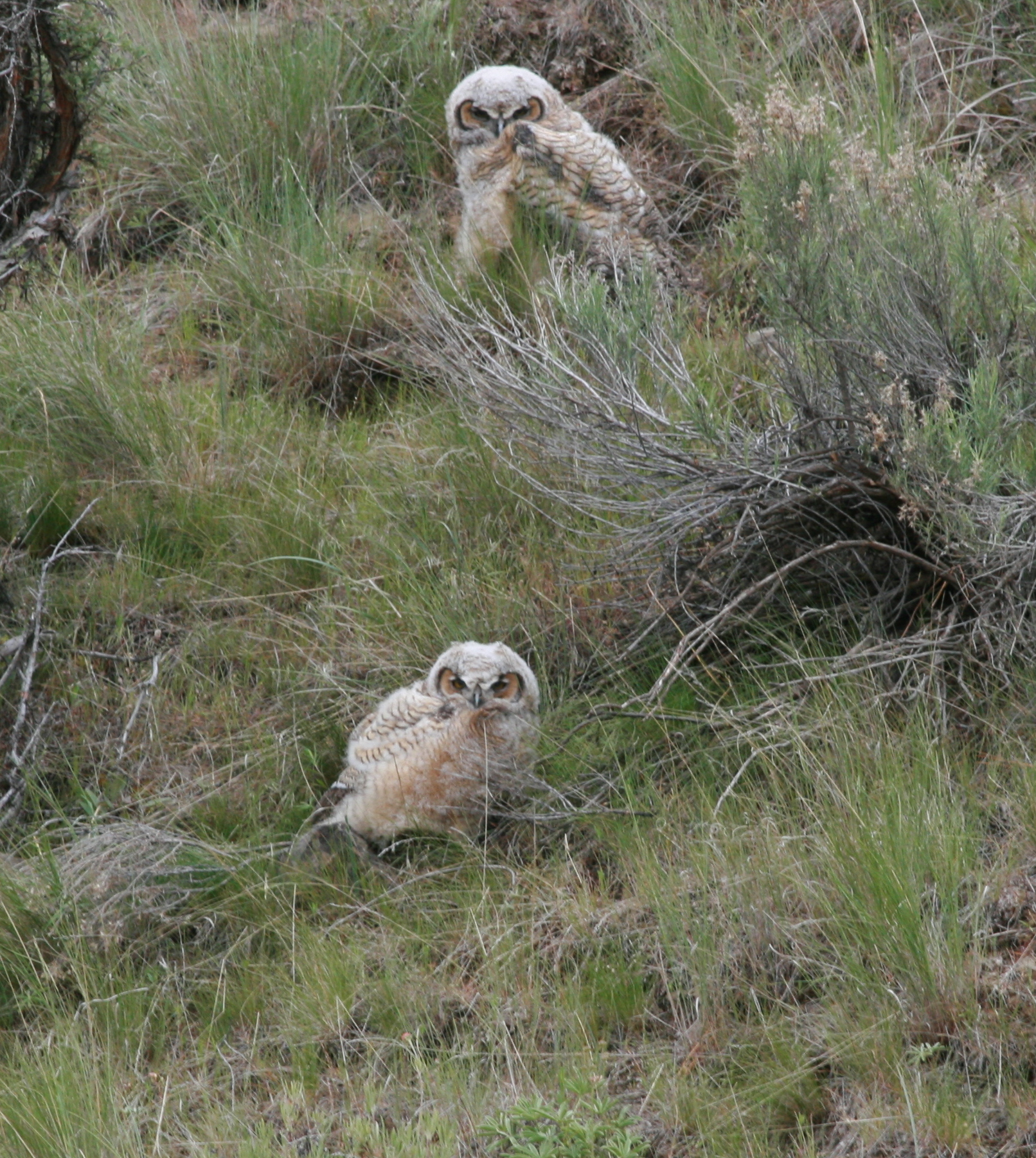
except missing Mountain Bluebird, though we kept moving and the high winds kept the sage birds out of sight and quiet.  We did manage to stop to marvel at how two “rocks” could look like snowy owls, and when we brought out binos up we saw:

Two Baby Great Horned Owls sitting on the ground

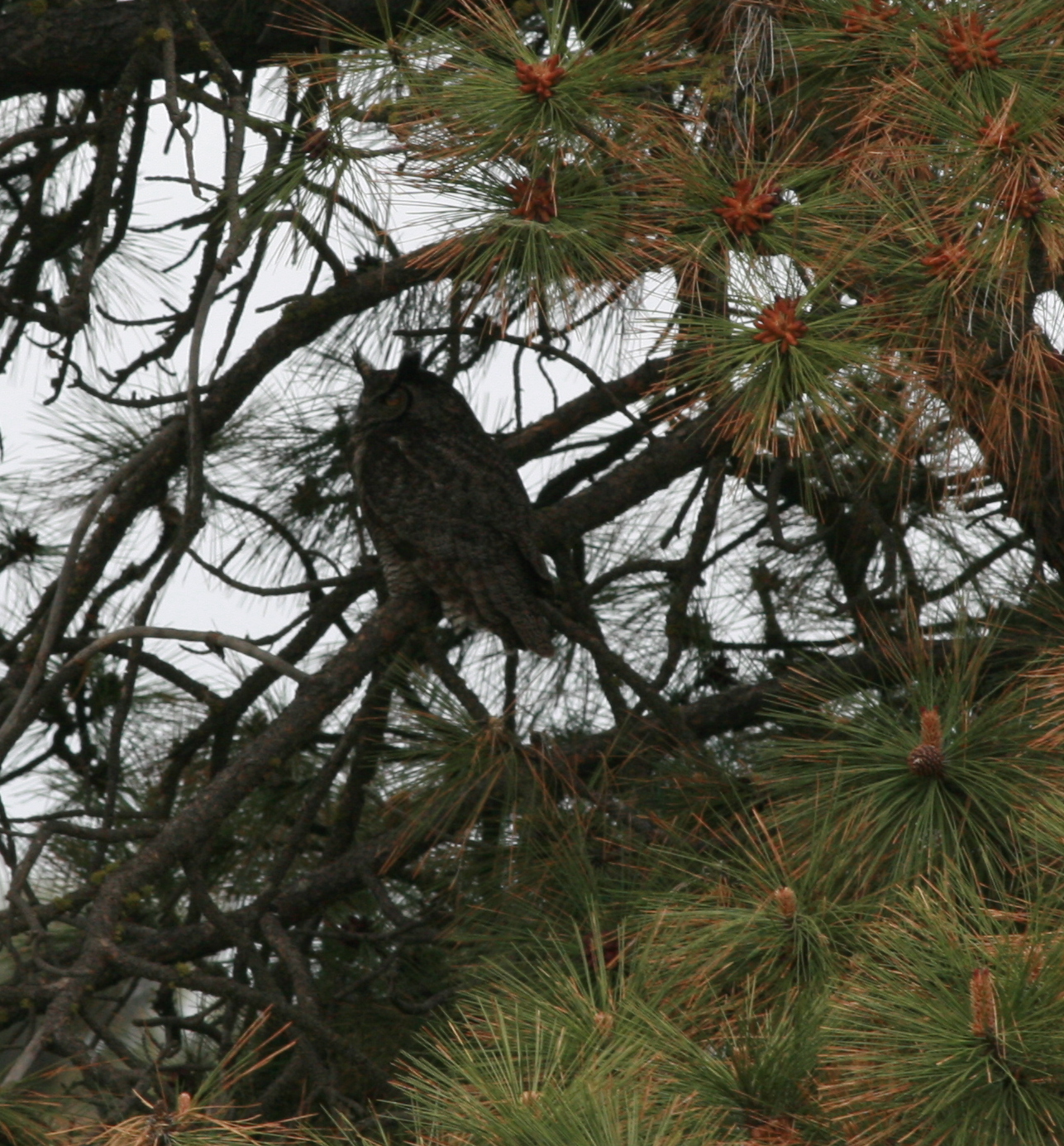
with the ID confirmed by finding a watchful parent keeping a close eye on us from a nearby tree.  Check out the tiny “horns” on the lower bird.

At Oak Creek Rd we could not locate the Eastern Phoebe despite a fairly good effort over a couple of hours, and met several locals who had been there much of the day without relocating this bird.  I did hear what I’m pretty sure was the Chestnut-sided warbler at the area where others had found it, but never got a look, and  it sang only about 10 times in a row, then was quiet until we left about 5 PM.

Here’s our trip list.  See you all at the next meeting.

Canada Goose

Turkey Vulture

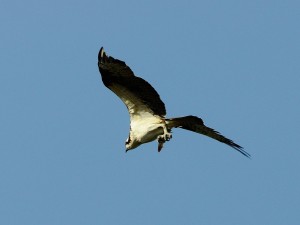
Osprey

Swainson’s Hawk

Red-tailed Hawk

American Kestrel

Prairie Falcon

California Quail

Common Snipe King WA US Jun 9, 2012

Caspian Tern this was a brief look driving on the lake just south of the Road to Wenas Campground. Seemed out of place.

Rock Pigeon

Eurasian Collared-Dove

Great Horned Owl Adult and two babies off Umtanum Rd

Black Swift

Vaux’s Swift

Rufous Hummingbird

Lewis’s Woodpecker

Red-naped Sapsucker

Northern Flicker

Olive-sided Flycatcher

Western Wood-Pewee

Tree Swallow

Violet-green Swallow

Cliff Swallow

Barn Swallow

Golden-crowned Kinglet

Cedar Waxwing

American Dipper

Rock Wren

Bewick’s Wren

Pacific Wren

Western Bluebird

Veery

Hermit Thrush

American Robin

Varied Thrush

Chestnut-backed Chickadee

Steller’s Jay

Black-billed Magpie

American Crow

Common Raven

European Starling

Warbling Vireo

Yellow Warbler

Yellow-rumped Warbler

Townsend’s Warbler

Common Yellowthroat

Western Tanager

Spotted Towhee

Chipping Sparrow

Savannah Sparrow

Song Sparrow

Lincoln’s Sparrow

White-crowned Sparrow

Dark-eyed Junco

Black-headed Grosbeak

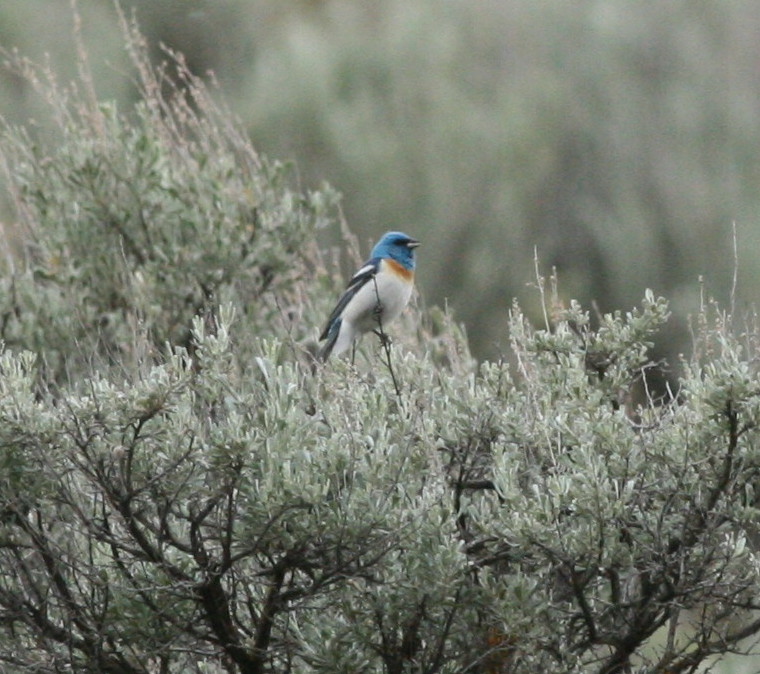
Lazuli Bunting

Red-winged Blackbird

Brewer’s Blackbird

Brown-headed Cowbird

Bullock’s Oriole

American Goldfinch

House Sparrow


May 2012 meeting recap

On May 24, ABC met and celebrated Empidonax flycatchers! This timely information was presented by Ken Brown with A/V by Ryan Wiese. Also had reports from Diane Yorgason-Quinn on the ABC field trip to Theler Wetlands in Belfair, as well as enjoyed Ruth Sullivan’s photos of the breeding-plumaged Ruff she found at Grays Harbor earlier this month.

June 9 Fieldtrip for Flycatchers

We will meet early in order to be at Robinson Canyon early to hear the dawn chorus.  Meet  at the rest stop at Snoqualmie Summit at 6 AM to try for flycatchers there and then go on.  Try to carpool up ahead. Contact me for details at edwardpullen (at) gmail (dot) com.  Focus will be on empid ID by calls and songs, habitat, behavior as well as field marks.  I am far from expert so am hoping I can find someone like Ken B, Charlie or Marcus to come along to help.  Anyway we will move more slowly to take time to pay attention to the details, and try to become better at these tough IDs.  Probably on from Robinson Canyon to other areas.  I’ll be watching tweeter for other birds in the area to look for also.

Bring lunch, drinks etc for the day.  Plan to be back by early evening.

Ed Pullen

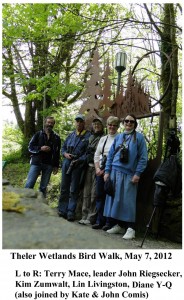
Theler Wetlands Monday May 7

Join John Riegsecker Monday May 7 for a walk around Theler Wetlands in Belfair before those dikes get breached for one last look around at a great year-round birding site and celebrate the beginning of International Bird Day week. This will be a 4-mile walk on a dead-end trail. Scopes would be good. They also have some great outdoor art work. Meet at Theler gate at 8 AM and be done in time for lunch. If anyone needs to carpool, e-mail this list to find rides/riders.

Website info here: http://www.thelercenter.org/wetlands/index2.php. Mary E Theler Community Center 22871 NE State Route 3, Belfair, WA (360) 275-4898 ‎

Other questions, contact John at jriegsecker@pobox.com.

Malheur invitation for the ABC Club

ABC’ers! Many of you have expressed interest in seeing Malheur this spring. We don’t have a lot of notice, so it looks like an actual field trip with leader isn’t in the offing (unless one of you steps up now), but here is some good information and an invitation from Jerry Broadus. He and fellow ABC’er Shep Thorp will be there starting now for just a little while (read details below) doing volunteer work and are willing to help out fellow ABC’ers who might want to come out in the next week or so. He talks about accommodations near the end:

> From: jbroadus@seanet.com > To: sthorp@theaec.com; avosetta@hotmail.com > Date: Fri, 27 Apr 2012 08:23:10 -0700 > Subject: Re: Malheur for the ABC Club (Advanced Birders Club) > CC: kennethwbrown@hotmail.com; edwardpullen@gmail.com; rwiese@wamail.net > > Hi all: I am home right now for a couple of days, and have delivered Clarice (she will be flying out to North > Carolina next week). I will head back to P Ranch at Malheur by May 1, and hope to get Shep back out there > from May 2-May9 or so. I will be leaving there May 15 or so, exact date flexible. Then will be around (here) > for most of the rest of May, until we go Rhody hunting probably in June. > > Birding started slow at Malheur this year, except at Ruh Red Road which is still excellent. We handled 7 > tours for the bird festival. Things are really starting to pick up now. > > All the fields at Burns are flooded and have many birds, except most of the Snow and Ross’ geese have > moved on. We had a lot of rain two days ago, which raised the Blitzen River considerably, and it is being > allowed to run into most of the fields on the refuge now. Benson pond was allowed to dry, but is filling back > up. Every where there is a flooded field there are a lot of waterfowl. I just saw FOY snowy egret yesterday > morning. As the fields flood the birding will pick up. Many Ibis arriving each day. Still not many warblers, > but the willows and smaller trees just started leafing out, and a lot of “non biting” midges are about, so the > migrants will be arriving at any time now (probably today, as I am at home). Swainson’s hawks have started > being more plentiful, and as the ground squirrel hunters are out near raptor alley I expect to see more > ferrugenous hawks (most of the rough legs have left). > > Stilts, avocets, curlews, and willets in very large numbers and started displaying a couple of days ago. > Sandhills and Clark’s grebes are also starting to display. > > If you can get together a smallish group real soon, I would be glad to lead it around some. I could take a > small group behind some of the gates to closed areas, including Sod House where the cormorants and > Great Blues are nesting. This is still not a busy time, so you could get rooms at Frenchglen (in the Drover’s > inn, the motel behind the hotel), I expect, with no problem. Or, of course, lots of rooms in Burns, and there > is room at Field Station (Dan Streiffert is staying there now, with some friends from this area). The Page > Springs campground is in good shape and has birds. Shep and I could probably put a couple or so up at P > Ranch, if we work out the logistics. Maybe we could also get Kelly Hazen out on a trip.

In addition to my earlier message, note that the sage grouse lek on Foster Flats Rd. has been extremely active this spring. > > Jerry Broadus > PLS 17660 >

Report on April 2012 meeting

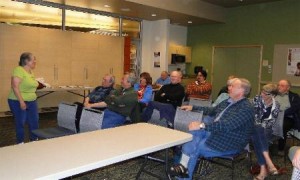
The ABC club met at its new venue on April 26, 2012, at the University Place Library. Looks like a winner!

First Ryan Weiss gave a short trip report on the overnight sage grouse trip to Leahy Junction, SWaterville Plateau, and points between earlier this month. An incredibly satisfying trip for both the grouse and many other birds including an early Ferruginous. Plus it was an intro to our upcoming MAY ABC meeting on May 24 when Ryan will tell us some of the interesting stuff he’s learned about Sage Grouse while doing research to lead this trip and the one two years ago to the Yakima Training Range. So mark the date!

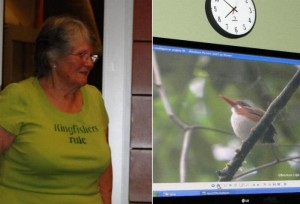
Then Carole Breedlove, “Queenfisher,” regaled us with tales about her recent trip to Madagascar and her continuing search for all the Kingfishers of Planet Earth. After thanking Wayne Jackson, who was present, for getting her into birding not that long ago, she told the tale of one crazy woman who has used Kingfishers as her excuse to visit all the continents and many remote islands in her search, managing to ring up almost 5000 world birds in the process and plodding on, no matter the nasty climate, nasty bugs (and some cute ones), and even illness, and she’s far from done.

Spring Class 2010 #2

4-28-2010 Spring Class #2.

Featuring AV with Ryan Weise

Change PBJ to PF on the top of Ken’s molt and song handout for shorebirds.

Change PAJ to PA1 .

Breeding Am Golden Plover the white on the shoulder stops ath the breast, and is wider at the lower end, almost a white shoulder patch.  The wing projection is longer and more primary projection, to accommodate the longer migration.

Pacific Golden Plovers that nest in AK tend to have longer  wings than the Siberian birds, and so some of these have a wing projection nearly as long as the Am. GPs we see here.

Molt sequence in Am. GPs.  Arrive in WA by late april- early May.  Adults that come thru are in July- Early Sept.  Primaries are very worn, because they are not molted.  Do not molt primaries until in S. America.  Juveniles also do not have wing molt until in S America also.  They do molt their primaries in S. America.  So when they come back all Americans migrate north, juveniles included.   All have new fresh primaries  If a bird happens to be a non-breeding plumage you can tell it likely is a juvenile.

Pacific GPs juveniles can straggle down the coast.  Juveniles in wintering grounds do not molt their primaries.  You can tell any GP in spring that has worn primaries is a migrating Pacific GP young bird.  Most young Pac. GPs do not migrate.   Pacific GPs start their molt during incubation, and start their primary molt in AK with from 1-5 inner primaries, P1 àP5, then they suspend their molt, and finish the molt of the outer primaries on the wintering ground.  So look at the primaries to see if they are fresh or old.

The mantle of a Pac. GPs each feather has “paired golden spots”  and the American GP has only a single golden spot  is on each feather.  This gives the Pacific GP a brighter and more golden color to the mantle.

Snowy Plover: Dark legs and dark bills.  In sub adults the ends of the primaries are off color.

Semi-palmated Plover: common, easy, no discussion this class

Killdeer:  common, easy, no discussion this class

Black Oystercatcher:   easy, no discussion this class

Am. Avocet:  easy, no discussion this class

Long-necked Stilt:   easy, no discussion this class

Willet: western birds are darker and larger.

Greater Yellowlegs: Upright sandpiper with yellow legs and a long bill.  Usually greater yellowlegs are more brightly marked, have a longer primary projection. More active movement with feeding.

Solitary Sandpiper:  longer bill, striped tail, (dark stripe down the middle)  with barring on the tail, no wing stripe. Rare to uncommon in spring, uncommon (i.e. more common) in the fall in WA.   Best time is Early August to early Sept.  Usually on fresh water ponds or marshy areas.  Relaxed hold their bill out almost parallel.  Fly straight up and then come down or fly away.  3 noted call paseet-weet-weet.

Wandering Tattler:  loud call, dee-dee-dee-dee  usually seen alone, tend to be isolated.  Usually take off singly, and call when they take off.

Spotted sandpiper:  call faster, more like a trill.   Ponds, rivers.  Even seen at high elevation to 6000 feet.  Fly close to the water, fluttery wings, usually in pairs.

Whimbrel: shorter decurved bill, stripes on the head, shorter primary projection,  Usually barring on the flanks. coastal migrant in WA.

Long-biller curlew:  very long bill, no steaks on the crown, coastal migrant in the rest of the year,  as with other shorebirds, the female has the longer bill.

Marbled Godwits: Very rare in E WA, almost always coastal, in WA almost only in Gray’s Harbor and Willipa Harbor.  A lot of our Tokeland Godwits stay the summer, so apparently many are young birds that oversummer.

Bar-tailed Godwit: wider eyestripe behind the eye, grayer, usually in the fall, If seen in the spring adult male will be red underneath,

Ruddy Turnstone:  450K worldwide, many more on the east coast. In WA uncommon to fairly common in springtime, uncommon in fall.  Ruddys will feed in a wide variety of habitat, more so than black turnstones.

Black Turnstone:  80-95K in North America, 80% plus nest in a single river delta in AK.

Surfbird:  white band on tail, thick ploverlike bill.

Rock Sandpiper:  Shaped like a dunlin, breeding rufous over the head. Two-tone bill.

Red Knot:  In breeding plumage brick red breast, whitish edged feathers on back, light crown.  White belly.  Only 20K breed in AK.   Ours fly from S. Am. And have very specific staging areas.  Fly from S. America, stop and stage and fatten up for 2-3 weeks, and then go off to breeding grounds. Rare in the fall in WA.

Sanderling: whitest winter shorebird in WA.

Dunlin: bigger than western sandpiper.  Whole back, scapulars and coverts are red in spring, in fall don’t return in numbers until Oct. Prebasic molt on the breeding grounds, and return in basic or formative plumage, rarely see juveniles.

Semipalmated sandpiper:  rare in springtime.  Most likely in E WA in inland locations, less coastally.  More plentiful in fall in WA, mostly  juveniles.  Look for blunt short bill, and brownish plumage.  Hunt more visually, less probing, more looking up, see something, run off like a plover.

Western sandpiper: In juvenile red restricted to the scapulars.

Least Sandpiper:  short bill, slightly droopy,  winter plumage almost all darker and brownish black.   Yellowish legs.

White-rumped Sandpiper;  East coast bird, migrate thru the middle of  the country,

Baird’s sandpiper: a fall migrant

Pectoral Sandpiper:  again mostly fall,

Upland Sandpiper: nest again in E WA near Spokane.  Short wings, long tail projection past wings.’

Ruffs: a few spring adult records, most juveniles in fall.  Variable legs, yellow to orange.   Short bill.  Male much larger, male

Short-billed Dowicher:  Rufous underside, white belly. Usually LB has pinkish belly in spring.  Usually short billed has thicker base of the bill, and the top of the bill slopes gradually.  Tend to have flat backs when feeding.  Big flocks on salt water in spring are invariably short billed.  Small flocks on fresh water could be either.  Individual LBs can be mixed in a large SB flock.   3S’s of short billed, salt water, spotted on breast, short bill.  Covert molt in SB is irregular.

Our species is the Carinis subspecies.

Long-billed Dowicher:  Coverts dark centered with broad white tips in alt. plumage, so LB look brighter above in spring.  Coverts usually uniformly molted.   Wings shorter.  Shorter primary projection.

Stilt sandpiper:  long legs, droopy bill,

Wilson’s Snipe: next week